Breaking Down Bias: Crafting an Inclusive and Equitable Organizational Culture
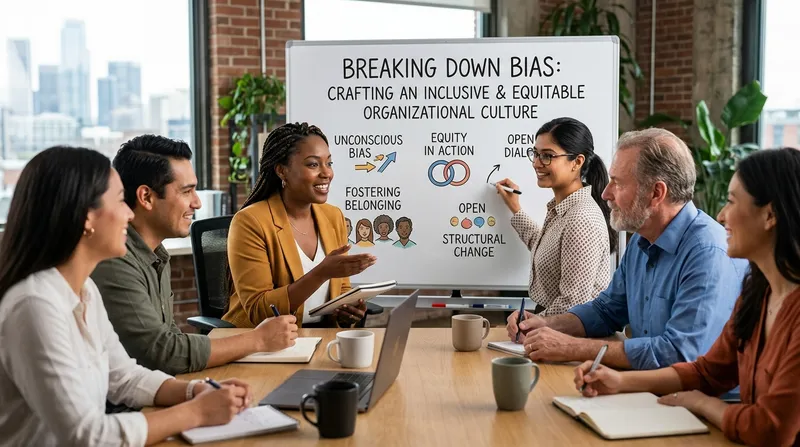
Understanding the Root of Organizational Bias
In today's increasingly diverse and interconnected world, it is vital for organizations to recognize and dismantle biases that may hinder their growth and inclusivity. Bias, whether conscious or unconscious, can severely impact decision-making processes, employee satisfaction, and overall organizational performance. Leaders have a crucial role in addressing these biases to cultivate environments that value diversity and foster equal opportunities for all.
Recognizing Bias in Organizational Structures
Bias often manifests subtly within organizational structures, procedures, and everyday interactions. It can be present in recruitment processes, performance evaluations, or even task assignments. Leaders must develop the ability to recognize these manifestations by acknowledging patterns that disadvantage certain groups. This involves regularly reviewing organizational policies and practices to identify potential areas where bias might lurk.
The Role of Unconscious Bias
Unconscious bias refers to the stereotypes that individuals form outside their conscious awareness. Everyone possesses these biases, shaped by personal experiences and societal influences. In the workplace, they can affect how individuals perceive colleagues, impacting decision-making. Leaders need to engage in self-reflection and seek feedback to identify their own biases and understand how these might influence their leadership styles and decisions.
Strategies for Cultivating Inclusivity
Establishing Clear Policies and Practices
To combat bias, organizations should establish clear and comprehensive policies that focus on inclusion and equity. This includes implementing diverse hiring practices, ensuring equitable performance review systems, and promoting transparency in decision-making processes. Clear guidelines help set expected standards and reduce ambiguity that can allow bias to persist.
Cultural Awareness and Sensitivity Training
Training programs focused on cultural awareness and sensitivity can help employees at all levels recognize and address their biases. These programs should encourage open dialogues about diversity, encourage empathy, and highlight the importance of understanding different perspectives. However, for training to be effective, it must be continuous and not just a one-time initiative.
Encouraging Open Communication
Leaders should build communication channels that promote openness and honesty. Employees should feel comfortable voicing concerns about bias without fear of retribution. Creating platforms for discussions about diversity and inclusion can help organizations navigate complex issues sensitively and effectively.
The Impact of Building an Equitable Culture
Enabling Diverse Talent to Thrive
An inclusive and equitable workplace allows diverse talent to thrive, fostering innovation and creativity. Organizations that embrace diversity are better positioned to understand and serve a global clientele. The varied backgrounds and experiences of a diverse workforce contribute to rich insights and innovative problem-solving capabilities.
Enhancing Employee Engagement and Retention
Workplaces that prioritize equity and inclusivity typically experience higher levels of employee engagement. When employees feel valued and respected regardless of their background, they are more motivated and invested in their work. This contributes to lower turnover rates and enhances organizational stability.
Boosting Organizational Reputation
Organizations known for their commitment to diversity and equity attract a broader range of applicants and can choose from a deeper talent pool. Customers and clients are also increasingly scrutinizing companies based on their social conscience, making a commitment to inclusivity beneficial for brand reputation.
Moving Forward with Leadership Commitment
Accountability at the Top
Leaders must take personal responsibility and hold themselves accountable for fostering an inclusive culture. This involves setting tangible diversity and inclusion goals and monitoring the progress of these initiatives closely. Accountability ensures that diversity efforts remain a priority and are not sidelined when challenges arise.
Role Modeling Inclusive Behavior
Leadership behavior sets the standard for organizational culture. Leaders must exemplify inclusive behavior through their actions and decisions, serving as role models for their teams. This involves actively seeking diverse viewpoints, challenging stereotypes, and promoting fairness in all interactions.
Continuous Improvement and Adaptation
The journey towards an inclusive and equitable culture is ongoing. Regularly assessing and evolving diversity and inclusion strategies is necessary to address new challenges and understand emerging trends. Continuous improvement efforts should be woven into the organizational fabric, ensuring they respond effectively to shifting cultural dynamics.
In conclusion, breaking down bias to build a more inclusive and equitable organizational culture requires commitment, awareness, and strategic action from leaders. By recognizing and addressing biases, cultivating inclusive practices, and committing to continuous improvement, organizations can create environments where all individuals feel valued and empowered to contribute their best.