The Critical Role of Psychological Safety in Leadership for Innovation
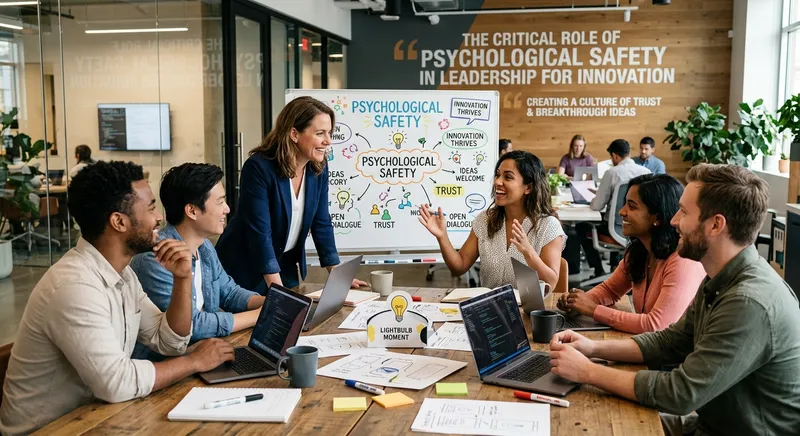
In today's rapidly evolving business landscape, the role of psychological safety in leadership has emerged as a critical factor for fostering innovation and sustaining competitive advantage. While traditional leadership qualities such as decisiveness and strategic vision remain vital, the contemporary leader must also prioritize creating an environment where team members feel safe to express ideas, take risks, and learn from failures without fear of retribution.
Understanding Psychological Safety
Psychological safety, a concept originally defined by Harvard Business School professor Amy Edmondson, refers to a shared belief that a team is safe for interpersonal risk-taking. In a psychologically safe workplace, individuals can engage freely without the fear that mistakes will lead to punishment or ridicule. This safety encourages creativity, ingenuity, and ultimately innovation, which are essential for organizations striving to remain relevant and effective.
The Link Between Psychological Safety and Innovation
Innovation thrives in environments where team members are motivated to think outside the box, explore new ideas, and challenge the status quo. Psychological safety cultivates this exact ecosystem by removing the barriers to open dialogue and diverse thinking. When team members are free to share bold ideas without fearing negative consequences, it enhances collective learning and sparks breakthrough innovations.
A psychologically safe environment encourages:
Open Dialogue: Teams engage in candid conversations, sharing insights and perspectives that might otherwise be stifled.
Risk-Taking and Experimentation: Individuals are more willing to step outside their comfort zones and try untested approaches, essential for innovation.
Constructive Feedback: Providing and receiving feedback becomes a vehicle for learning and improvement rather than a breeding ground for defensiveness.
How Leaders Can Foster Psychological Safety
Creating a culture of psychological safety begins at the leadership level and requires deliberate and sustained effort. Here are practical steps leaders can take to build and maintain such an environment:
1. Encourage Open Communication
Leaders should model the behavior they wish to see by promoting open and honest communication. This involves not only encouraging team members to share their thoughts but also actively listening and validating their contributions.
2. Normalize Failure as a Learning Opportunity
Reframing failure as a key component of the innovation process is essential. Leaders should highlight lessons learned from unsuccessful endeavors and share stories of personal and organizational missteps as valuable teaching moments.
3. Build Trust and Empathy
Trust and empathy form the bedrock of psychological safety. Leaders must show genuine concern for their team members' well-being and demonstrate trust in their abilities and intentions. This can also involve empowering teams with autonomy and decision-making authority.
4. Reward Inclusivity and Collaboration
Recognizing and rewarding behaviors that promote collaboration and inclusivity reinforces the value placed on psychological safety. Including diverse voices in decision-making processes ensures a broader range of ideas and perspectives are considered, leading to more innovative outcomes.
Overcoming Challenges
Implementing psychological safety is not without its challenges. Resistance to change, deeply ingrained organizational cultures, and power dynamics can all pose significant hurdles.
Combatting Resistance to Change
Organizations often resist changes to their established workflows and cultures. Leaders can overcome this by highlighting the strategic benefits of psychological safety and aligning these initiatives with broader organizational goals.
Addressing Power Dynamics
Hierarchical structures can inhibit the development of psychological safety. Leaders must practice humility and openness, demonstrating that every team member’s voice is valued equally.
The Future of Leadership and Innovation
As the business environment becomes more complex and dynamic, the ability to innovate continuously will set successful organizations apart from those that falter. Leaders who prioritize psychological safety not only cultivate thriving, innovative teams but also drive enhanced engagement, loyalty, and performance throughout their organizations.
In conclusion, by integrating psychological safety into the core of their leadership philosophy, executives can unlock the full potential of their teams and sustain a culture of innovation that propels their organizations toward a prosperous future.