Navigating Hybrid Work: Management Strategies for Today's Evolving Workplace
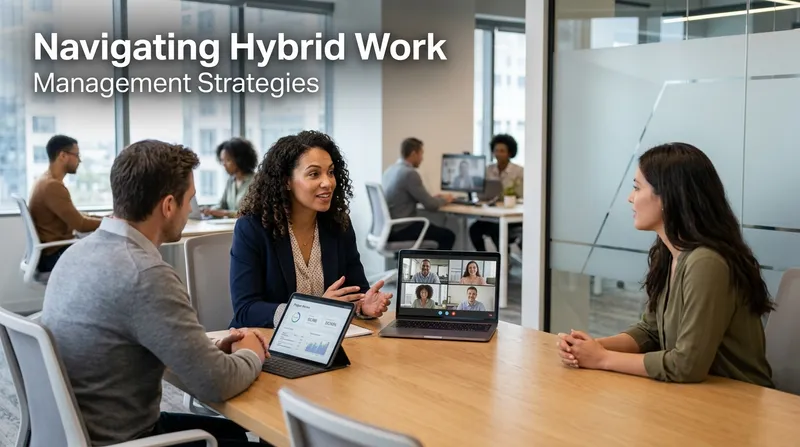
The dynamics of the workplace have witnessed a profound transformation, accelerating towards remote and hybrid work models. This evolution poses intricate challenges for management. To navigate this, leaders need tailored strategies that address the unique demands of hybrid workplaces.
Understanding Hybrid Work Dynamics
The hybrid work model, a blend of in-office and remote work, offers both flexibility and complexity. It requires a keen understanding of varied employee experiences and the ability to orchestrate workflows across these modalities.
Balancing Flexibility and Structure
Managers must strike a delicate balance between providing flexibility while maintaining structure. This can be achieved by setting clear objectives and measurable outcomes that encourage autonomy yet ensure accountability. Leaders should focus on results rather than micromanaging processes, empowering employees to leverage their strengths in self-directed ways.
Emphasizing Communication
Communication is the backbone of any successful hybrid model. Regular check-ins via video calls, messaging apps, or collaborative platforms are crucial. Implementing standardized meeting protocols and using asynchronous communication can help bridge the gap between remote team members and those in the office, ensuring everyone remains informed and engaged.
Cultivating a Collaborative Culture
A collaborative culture transcends physical space, driven by shared goals and mutual respect.
Leveraging Technology
Technological tools are pivotal in fostering collaboration. Invest in platforms that facilitate real-time collaboration, project management, and team communication. Encourage the use of shared virtual spaces where ideas can be exchanged freely, promoting transparency and a sense of belonging no matter where team members are located.
Encouraging Cross-Departmental Collaboration
In a hybrid environment, silos can form more easily. To counter this, managers should promote opportunities for cross-departmental collaboration. By initiating inter-departmental projects or setting up cross-functional teams, leaders can harness diverse skills and perspectives, leading to more innovative outcomes.
Fostering Inclusivity
An inclusive work environment is imperative in hybrid settings, as distance can often obscure the diversity of employee experiences.
Addressing Bias
Conscious efforts are required to overcome biases favouring in-office employees. Prioritize equitable access to resources, information, and career opportunities. During meetings, ensure remote team members are given equal opportunities to participate and voice their opinions.
Supporting Well-being
Well-being initiatives play a crucial role in inclusivity. Recognize the challenges of isolation some remote workers may face and provide support through wellness programs or virtual team building activities. Regular feedback sessions can help gauge employee morale and identify areas needing attention.
Driving Adaptability
Adaptability is crucial in hybrid work environments, necessitating a management style that's responsive to change.
Continuous Learning and Development
Promote a culture of continuous learning. Encourage employees to engage with training programs and provide access to resources that bolster their skill sets. Adaptive leaders also learn alongside their teams, demonstrating a commitment to growth and resilience.
Agile Management Techniques
Adopting agile methodologies can improve adaptability. Agile frameworks prioritize iterative progress, responsiveness to change, and collaborative efforts. These practices help teams quickly adapt to new challenges and enhance their ability to deliver quality outcomes under evolving circumstances.
Conclusion
Successfully managing a hybrid workplace requires more than just the right technology; it demands a thoughtful approach to leadership that prioritizes flexibility, communication, inclusivity, and adaptability. By fostering an environment where all team members can thrive, managers can harness the full potential of their workforce, ensuring both team effectiveness and employee satisfaction. As the landscape continues to evolve, these strategies will stand as pillars in cultivating resilient organizations poised for future success.