Redefining Employee Ownership: Cultivating a Culture of Shared Success
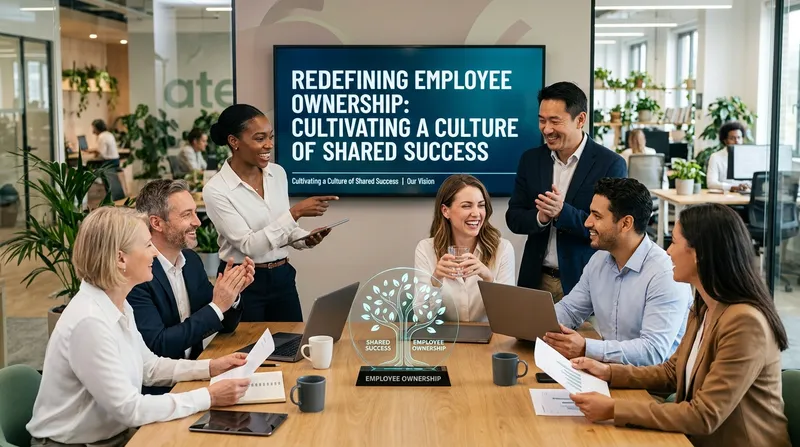
In today's fast-paced business environment, creating a culture where employees feel a deep sense of ownership is more than just a leadership fad—it's a necessity. Organizations that empower employees with ownership often witness heightened engagement, increased innovation, and a sustainable competitive edge.
Understanding Employee Ownership
Employee ownership goes beyond stock options and financial incentives; it encompasses a deep commitment to the organizational goals, where employees feel they're active stakeholders in its success. This concept revolves around providing employees with a voice in decision-making processes and encouraging accountability and entrepreneurial thinking.
The Psychological Impact of Ownership
Research underscores the psychological impact when employees perceive a real stake in their company. There is a significant boost in intrinsic motivation, which in turn, enhances employee engagement and productivity. This sense of belonging and responsibility manifests in a dynamic workplace culture centered on growth and collaboration.
Creating a Foundation for Ownership
Building a culture of ownership begins at the organizational level but is reinforced by individual strategies and initiatives.
Clarity of Vision and Goals
To foster a sense of ownership, clarity in vision and objectives is non-negotiable. Leaders must ensure that the organization's goals are communicated transparently and consistently. When employees understand the broader vision, they see how their efforts contribute to larger objectives, reinforcing their sense of ownership.
Empowerment and Autonomy
Empowerment is central to employee ownership. It requires transitioning from micromanagement to granting individuals the autonomy to make decisions, take risks, and innovate. This shift necessitates a foundation of trust, where leaders set clear boundaries but offer employees the freedom to operate within them.
Fostering a Supportive Ecosystem
Continuous Learning and Development
An essential component of shared success is continuous professional development. Organizations should invest in training programs, workshops, and leadership development initiatives. These not only equip employees with the skills necessary to excel but also signal an investment in their future and a commitment to their personal and professional growth.
Recognition and Feedback
Recognition plays a pivotal role in reinforcing a culture of ownership. Regularly acknowledging achievements and providing constructive feedback makes employees feel valued and part of something greater than just their job titles. Developing formal and informal forums for recognition can significantly boost morale and encourage a deeper ownership mentality.
Measuring the Impact of Ownership Culture
Implementing a culture of ownership necessitates tools for measurement and evaluation. Metrics related to employee engagement, turnover rates, and productivity often provide insights into the efficacy of organizational strategies and the degree to which employees feel their contributions are connected to the company’s success.
Employee Surveys and Feedback Mechanisms
Structured feedback mechanisms, like anonymous surveys and open forums, offer insights into employee sentiments. They reveal the strengths and areas needing improvement in the organization's attempt to cultivate ownership. Regular analysis of this feedback should guide strategic adjustments to culture-building efforts.
The Long-term Benefits of Employee Ownership
The benefits of nurturing an ownership culture extend beyond immediate financial performance. Organizations with a robust sense of employee ownership often benefit from:
Improved Innovation: Employees at all levels actively seek creative solutions, enhancing competitive advantage.
Higher Retention Rates: An engaged, satisfied workforce is less likely to turn over, saving costs and preserving institutional knowledge.
Strengthened Organizational Resilience: In times of disruption or change, employees aligned with their organization's vision are more adaptable and resilient.
Building a Legacy of Success
Embracing employee ownership is not merely a business strategy; it is a holistic cultural transformation that redefines the very essence of an organization. As companies aim for sustainable growth, fostering a culture of shared success through ownership becomes indispensable—a legacy enhancing performance and fortifying the workplace environment in the process.
In conclusion, cultivating a culture of shared ownership requires a deliberate shift in perspective from both leadership and employees. It is about empowering individuals to take charge of their roles, aligning personal growth with organizational success, and creating environments where everyone feels equally responsible for the triumphs and challenges that lay ahead.