Leveraging Cross-Generational Dynamics: Strategic Leadership in a Multigenerational Workplace
Understanding the Multigenerational Landscape
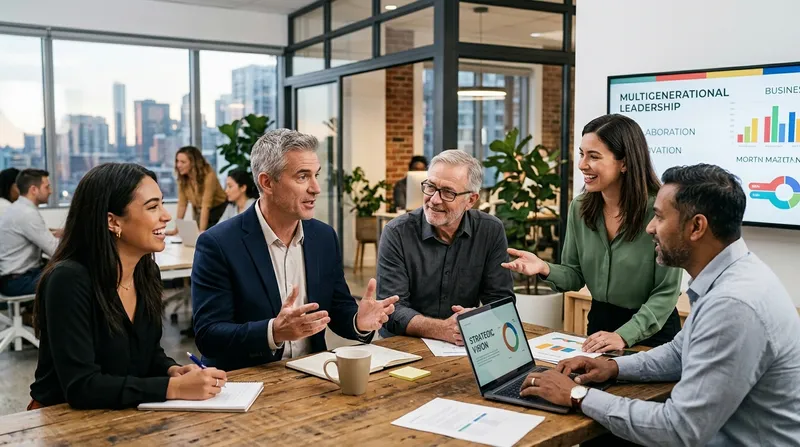
In today's rapidly evolving workplace, organizations are increasingly characterized by the simultaneous presence of multiple generations. This landscape comprises Traditionalists, Baby Boomers, Generation X, Millennials, and Generation Z. Each cohort brings its unique experiences, values, and work preferences, offering both challenges and opportunities for strategic leaders.
Understanding generational dynamics is essential for leaders who aim to create a cohesive team environment while driving innovation. Leaders must recognize that these diverse age groups not only reflect different worldviews and communication styles but also distinct approaches to technology, problem-solving, and career progression.
Capitalizing on Diverse Strengths
To effectively lead in a multigenerational environment, leaders need to shift their perspective from managing generational differences to strategically leveraging their strengths. By understanding what drives and motivates each generation, leaders can tailor initiatives and communication strategies that resonate across the board.
For instance, Baby Boomers often bring a wealth of experience and a strong work ethic, while Millennials may offer fresh perspectives and tech-savvy solutions. Generation Z can introduce new levels of digital fluency and innovation. Harnessing these strengths can create a robust, dynamic, and adaptable workforce.
Communication: The Bridge to Cohesion
A key element in navigating a multigenerational workforce is communication. Leaders should cultivate an environment where open dialogue is encouraged and value is placed on diverse opinions. Clear and inclusive communication fosters understanding and minimizes potential conflicts stemming from generational differences.
In practice, this means adopting a variety of communication tools and platforms that cater to different preferences. While seasoned employees might value face-to-face meetings or emails, younger employees might prefer instant messaging or collaborative digital platforms. Flexibility and adaptability in communication are crucial.
Mentorship and Reverse Mentorship Programs
One strategic initiative to bridge generational gaps is the implementation of mentorship and reverse-mentorship programs. Traditional mentorship allows younger employees to learn from the experience of seasoned colleagues, while reverse mentorship empowers younger generations to share their expertise, particularly in areas such as digital technology.
Such programs not only promote learning and development but also enhance mutual respect and understanding across generations. They help in breaking down stereotypes and encourage a culture of continuous learning and innovation.
Creating a Flexible Work Environment
Flexibility is a significant factor in managing and leading a multigenerational workforce. Different generations have different needs and preferences regarding work-life balance. Leaders should strive to create an environment that accommodates varying work styles and allows for flexible schedules.
Offering options such as remote work, flexible hours, or a hybrid model can increase job satisfaction and productivity across generational lines. It reflects an understanding of the diverse needs and promotes a supportive and inclusive workplace culture.
Strategic Talent Development
Investing in talent development programs that are tailored to meet the preferences of each generational cohort is another essential strategy. Leaders should facilitate opportunities for continuous learning that not only align with organizational goals but also cater to individual career aspirations.
Providing customized training programs, career development paths, and encouraging intergenerational project teams can ensure that all employees remain engaged and contribute to the organization's success. Such initiatives allow businesses to develop leaders from within by valuing the unique contributions of each generation.
Conclusion: The Strategic Leader's Role
In conclusion, leading a multigenerational workforce with strategic foresight involves embracing diversity as a strength and recognizing the transformative potential it holds for organizations. Leaders who cultivate an environment of respect, inclusion, and collaboration will find that employees of all ages can work together to drive innovation and growth.
As businesses navigate today's complex global market, the ability to strategically harness the power of cross-generational dynamics will distinguish successful leaders from their peers. By celebrating differences and fostering a unified vision, leaders can unlock the potential of their multigenerational teams, leading their organizations towards a prosperous future.