Transformative Rituals: Enhancing Leadership Through Intentional Practices
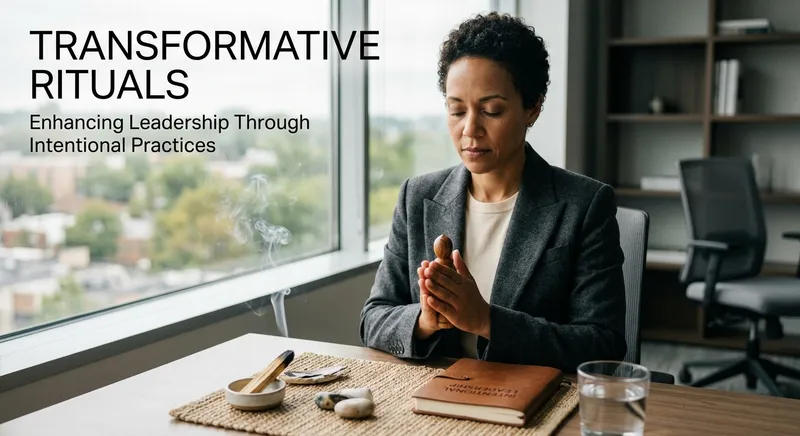
In today's rapidly evolving business landscape, leaders are increasingly challenged to not only manage organizational operations but also to cultivate a culture that fosters innovation, collaboration, and resilience. While strategies and policies play critical roles, there is an often underutilized tool at the disposal of leaders: rituals.
Understanding Organizational Rituals
Defining Rituals in the Workplace
Rituals in an organizational context can be defined as intentional activities imbued with purpose and meaning that occur regularly within a workplace. These practices go beyond mundane routines—weaving tradition, emotion, and identity into the everyday fabric of organizational life. They are not rigid processes but dynamic experiences that can unite a workforce with shared values and aspirations.
The Impact of Rituals on Culture
Rituals can significantly shape and reflect corporate culture. They serve as a potent symbol of the organization's values, beliefs, and identity. By introducing rituals that align with strategic goals, leaders can reinforce desired behaviors, enhance employee engagement, and foster a sense of belonging. These rituals can manifest in various forms, including storytelling, recognition ceremonies, or even unique ways of starting meetings.
Implementing Meaningful Rituals
Identifying Core Values
Ritual creation begins with identifying and clarifying the core values and objectives of the organization. Leaders should engage in introspective analysis and dialogue with employees to ensure these values resonate authentically across all levels of the organization. Once these values are established, rituals can be designed to reflect and reinforce them, helping to create a coherent and cohesive culture.
Designing Intentional Practices
Creating effective rituals requires intentionality and creativity. Leaders should focus on practices that are meaningful, inclusive, and repeatable. It is essential for these rituals to be adaptable, allowing them to evolve over time as the organization's needs and values shift. Additionally, involving employees in the design and implementation of rituals can increase buy-in and ensure they are perceived as genuine and valuable.
The Role of Leaders in Ritual Development
Leading by Example
Leaders play a crucial role in embodying the rituals they seek to implement. By participating actively and visibly in these practices, leaders can demonstrate their commitment to the values and culture they promote. This involvement underscores the authenticity of the rituals and sets a precedent for the rest of the organization to follow.
Facilitating Ownership and Participation
Empowering employees to take ownership of rituals can significantly enhance their impact. Leaders should encourage team members to initiate and sustain rituals that resonate within their unique contexts. This approach not only democratizes the creation process but also leads to more diverse, inclusive, and effective cultural practices.
Measuring the Impact of Rituals
Evaluating Cultural Shifts
The effectiveness of organizational rituals can be gauged through qualitative and quantitative metrics. Surveys, interviews, and observation can provide insights into employee engagement and cultural alignment. Additionally, tracking key performance indicators such as productivity, retention rates, and innovation levels can offer tangible evidence of the impact of these practices.
Ensuring Continuous Improvement
Culture and circumstances evolve, and so should rituals. Leaders must establish feedback loops that allow for the continuous evaluation and refinement of these practices. By remaining open to change and innovation, organizations can ensure their rituals remain relevant and impactful.
Conclusion
Intentional rituals have the power to transform organizational culture by instilling a sense of purpose and community among team members. Through thoughtful development and strategic alignment, these practices can elevate leadership effectiveness and drive lasting cultural change. By embracing the potential of rituals, leaders can foster environments that not only adapt to change but thrive in it, creating a foundation for sustainable success.